Change Language :
Canal narrowboat sliding hatch application
Improve narrowboat sliding hatch performance with polymer adhesive tape
With over 35,000 canal and river boats in the UK's waterways, understanding their pain points is essential. The biggest issues centre around maintenance, space constraints and the UK's ever changing weather. So when considering sliding or moving parts on a boat, especially parts that are open to the elements, its no wonder rust and corrosion are problematic.
One key problem area is sliding hatches. These are an essential feature of canal narrowboats, providing both a secure entrance and exit route as well as maximising available deck space. Many traditional metal-on-metal sliding systems used on canal boats have can become difficult to operate over time due to wear, rust, corrosion and contamination.
We can offer a lubrication and maintenance-free solution that improves hatch movement and protects sliding surfaces for minimal cost.
Requirement, challenge and solution


Solutions


Frequently asked questions
One issue that can occur that affects the hatch movement, as previously mentioned is metal to metal wear. This makes the hatch hard to manoeuvre.
Another issue is the potential for gouge marks to occur if the runners are forced into a movement.
Adverse weather conditions can also play a part with the degradation of the narrow boat sliding hatch, being exposed to the elements over time will cause rust and corrosion, which in turn will also affect the movement of the sliding hatch.
Some people use standard teak wood, Vaseline and PU sealants which can work temporarily, however these aren’t considered long term solutions and can actually be detrimental because of the potential build up of dirt and debris that builds on the runners.
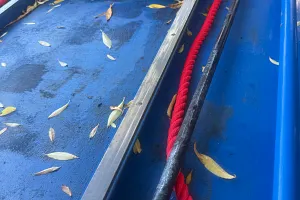
The boat hatch is used as the main entrance. It is a sliding hatch which was designed for ease of use and space saving ability. They usually consist of two pieces of angled iron welded to the roof of the boat. The hatch then slides forward and backwards on runners, traditionally both metal.
Consulting
I look forward to answering your questions

igus Australia1300 726 244Write e-mail
Shipping and consultation
In person:
Monday to Friday from 8 am - 5 pm.